
This is a difficult interpretive point. Much is misunderstood. Our church Revelation class is studying from Dr David Jeremiah’s book and carries through his and many modern pre-tribulation Rapture proponents views.
A typical historical Reformation interpretation though will say things like this.
Revelation 7:14 And I said unto him, Sir, thou knowest. And he said to me, These are they which came out of great tribulation, and have washed their robes, and made them white in the blood of the Lamb.
Notice the emphasis on all those in history in Christ and on his blood alone to wash us!
John Gill’s view and he said to me, these are they which came out of great tribulation: seeing this company designs all the elect of God, that ever were, are, or shall be in the world; “the great tribulation”, out of which they came, is not to be restrained to any particular time of trouble, but includes all that has been, is, or shall be; as all the afflictions of the saints under the Old Testament; from righteous Abel to Zechariah; and all the troubles of the people of God in the times of the Maccabees, Heb 11:35; all the persecutions of the Christians by the Jews, at the first publication of the Gospel; and the persecutions under the Roman emperors, both Pagan and Arian; and the cruelties and barbarities of the Romish antichrist, during the whole time of the apostasy; and particularly the last struggle of the beast, which will be the hour of temptation, that will come upon all the world; and in general all the afflictions, reproaches, persecutions, and many tribulations of all the saints, and every member of Christ in this world, who in the new Jerusalem church state will be come out of them; which supposes them to have been in them, and yet were not overwhelmed by them, and lost in them; but, by divine support and assistance, waded through them, and were now quite clear of them, and never more to be annoyed with them; see Rev 21:4.
And these comments from Dr. Dilday’s extensive translation commentary:
Verse 14:[3] And I said unto him, Sir, thou knowest. And he said to me, (Rev. 6:9; 17:6) These are they which came out of great tribulation, and have (Is. 1:18; Heb. 9:14; 1 John 1:7; Rev. 1:5; see Zech. 3:3-5) washed their robes, and made them white in the blood of the Lamb.
Sir, thou knowest, etc.: John confessing his own ignorance, applies himself to this elder for instruction, who tells him: These were the souls of them that came out of great sufferings and persecution; but he addeth, that they were such as were washed in the blood of Christ. Suffering will not bring us to heaven without having our souls washed with the blood of Christ.

Octavius Winslow’s “Evening Thoughts”: ‘”In whom we have redemption through his blood, even the forgiveness of sins.”—Colossians 1:14 The blood of Jesus is the life of our pardon and acceptance: “Whom God hath set forth to be a propitiation through faith in his blood, to declare his righteousness for the remission of sins that are past, through the forbearance of God” (Romans 3:25)—that is, the transgressions of the Old Testament saints. The life-giving blood of Jesus extended its pardoning work back to the remotest period of time and to the greatest sinner on earth—even to him by whom “sin entered into the world, and death by sin”(Romans 5:12). Such is the vitality of the atoning blood of God’s dear Son. And if the pardoning blood thus bore an antecedent virtue, does it have less of a present one? No! Listen to the life-inspiring words: “In whom we have redemption through His blood, the forgiveness of sins, according to the riches of His grace.” Once more, “The blood of Jesus Christ his Son cleanseth us from all sin” (1 John 1:7). It has a present life, an immediate effect. The life of our pardon—yes, the believing though trembling penitent sees all his sins cancelled and all his transgressions pardoned through the precious blood of Jesus. Nothing but the blood of the incarnate God could possibly effect it. When he returns again, after repeated backslidings, with sincere and holy contrition and bathes in it afresh, the sense of pardon is renewed. While he goes away to loathe himself and abhor his sin, he can yet rejoice that the living blood of the Redeemer has put it entirely and forever away.
What is the life of our acceptance but the blood of Immanuel? “Justified by his blood” (Romans 5:9). The robe that covers us is the righteousness of Him who is “the Lord our righteousness” (Jeremiah 33:16)—who, when He had by one act of perfect obedience to the law woven the robe of our justification, washed it in His own blood and folded it around His Church, presenting her to His Father a “glorious church, not having spot, or wrinkle, or any such thing” (Ephesians 5:27). Not only is it the ground of our present acceptance, but the saints in heaven, “the spirits of just men made perfect” (Hebrews 12:23), take their stand on it. “What are these,” it is asked, “which are arrayed in white robes? and whence came they?” The answer is, “These are they who came out of great tribulation, and have washed their robes, and made them white in the blood of the Lamb. Therefore are they before the throne of God” (Revelation 7:13-15). Thus, pleading the justifying blood of Jesus, the believing though distressed and trembling soul may now stand before God, “accepted in the beloved” (Ephesians 1:6). What a wondrous declaration and blessed state! Do not rest, reader, until you have attained it. You cannot rest until you have received by faith the righteousness of Christ.
From where does the life of spiritual joy flow, but from the blood of Immanuel? There can be no real joy except in the experience of pardoned sin. The joy of the unpardoned soul is the joy of the condemned on his way to death—a mockery and a delusion. With all his sins on him, with all his iniquities yet unforgiven, every step brings him nearer to the horrors of the second death; what, then, can he know of true joy? But when the blood of Jesus is sprinkled on the heart and the sense of sin forgiven is sealed upon the conscience, then there is joy indeed, “joy unspeakable, and full of glory” (1 Peter 1:8).
Where, too, does peace flow—sweet, holy, divine peace—except from the heart’s blood of the Prince of Peace? There can be no true peace from God if there is not perfect reconciliation with God. Only false peace does not spring from a view of God pacified in Christ, God one with us in the atonement of His Son, “preaching peace by Jesus Christ” (Acts 10:36). “The blood of sprinkling speaketh better things than that of Abel” (Hebrews 12:24) because it speaks peace.’
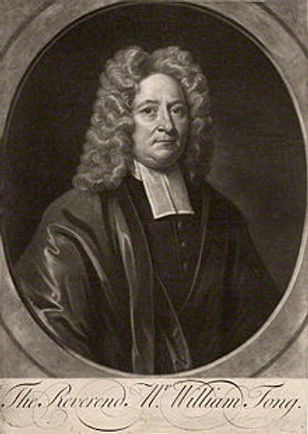
William Tong (for Matthew Henry): ‘Here we have a description of the honour and happiness of those who have faithfully served the Lord Jesus Christ, and suffered for him. Observe,
I. A question asked by one of the elders, not for his own information, but for John’s instruction: ministers may learn from the people, especially from aged and experienced Christians; the lowest saint in heaven knows more than the greatest apostle in the world. Now the question has two parts:—1. What are these that are arrayed in white robes? 2. Whence came they? It seems to be spoken by way of admiration, as Song of Songs 3:6, Who is this that cometh out of the wilderness! Faithful Christians deserve our notice and respect; we should mark the upright. II. The answer returned by the apostle, in which he tacitly acknowledges his own ignorance, and sues to this elder for information: Thou knowest. Those who would gain knowledge must not be ashamed to own their ignorance, nor to desire instruction from any that are able to give it.
III. The account given to the apostle concerning that noble army of martyrs who stood before the throne of God in white robes, with palms of victory in their hands: and notice is taken here of, 1. The low and desolate state they had formerly been in; they had been in great tribulation, persecuted by men, tempted by Satan, sometimes troubled in their own spirits; they had suffered the spoiling of their goods, the imprisonment of their persons, yea, the loss of life itself. The way to heaven lies through many tribulations; but tribulation, how great soever, shall not separate us from the love of God. Tribulation, when gone through well, will make heaven more welcome and more glorious. 2. The means by which they had been prepared for the great honour and happiness they now enjoyed: they had washed their robes, and made them white in the blood of the Lamb, Revelation 7:14. It is not the blood of the martyrs themselves, but the blood of the Lamb, that can wash away sin, and make the soul pure and clean in the sight of God. Other blood stains; this is the only blood that makes the robes of the saints white and clean.’
Matthew 5:10-12 Blessed are they which are persecuted for righteousness’ sake: for theirs is the kingdom of heaven. 11 Blessed are ye, when men shall revile you, and persecute you, and shall say all manner of evil against you falsely, for my sake. 12 Rejoice, and be exceeding glad: for great is your reward in heaven: for so persecuted they the prophets which were before you.
Dr. Dilday’s Sermon: “The Believer’s White Robe”
1) Introduction
2) Analysis
a) Context
b) Verse 13
c) Verse 14
3) Doctrine: A man is justified in the sight of God by faith, resting upon Christ’s atonement and righteousness for acceptance.

 Rainbow Trout